
Depression and anxiety are common mental health problems that can make daily life very hard. Professional help is very important, but natural ways of coping can also help with healing and make you feel better overall. Let’s first take a quick look at what mental health, anxiety, and hopelessness are, along with their types.
Emotional, psychological, and social well-being are all part of mental health. It has an impact on our thoughts, emotions, and relations with others. Daily life and general happiness can be impacted when issues such as anxiety and depression arise. The article talks about 10 proven strategies to naturally deal with fear and sadness. Below is a quick navigation guide to help you jump to key sections:
Understanding Anxiety & Depression
1. Anxiety
Anxiety is a strong feeling of fear or worry that continues for a long time. It could make you frustrated, make your heart beat fast, make you sweat a lot, or make it hard to concentrate. Some common types are
- Generalized Anxiety Disorder (GAD)
- Panic Disorder
- Social Anxiety Disorder
2. Depression
Despair or unhappiness is a long-lasting feeling of sadness, emptiness, or hopelessness that may interfere with daily activities. Symptoms include:
- Persistent fatigue
- Loss of interest in activities
- Sleep disturbances
- Thoughts of worthlessness
Causes & Risk Factors
Both fear and unhappiness can stem from biological, psychological, and social factors, including
- Genetic predisposition
- Chronic stress
- Traumatic experiences
- Lack of social support
Now lets talk about the proven strategies to manage anxiety & depression naturally.
1. Regular Exercise

Exercise causes the release of endorphins, sometimes referred to as “feel-good” hormones, which elevate mood and lower stress. Exercises including yoga, strength training, and jogging have been associated with increased mental stamina and decreased anxiety.
2. Mindfulness & Meditation
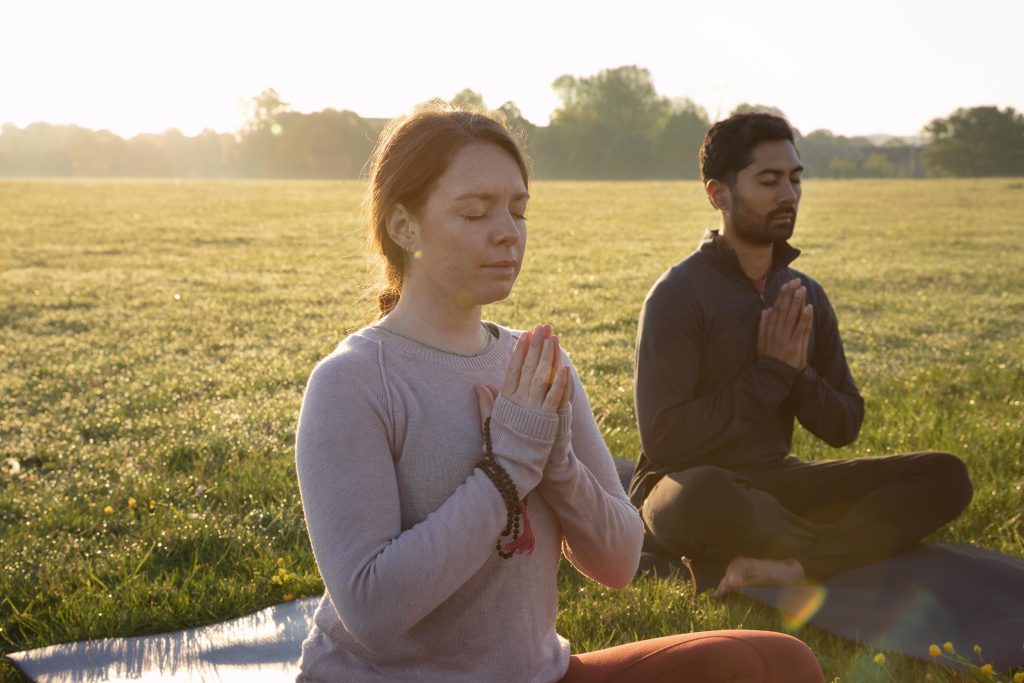
Mindfulness helps you change your bad thoughts and become more self-aware. Deep breathing, guided visualization, and gradual muscle relaxation are all types of meditation that can help you feel calm.
3. Balanced Nutrition
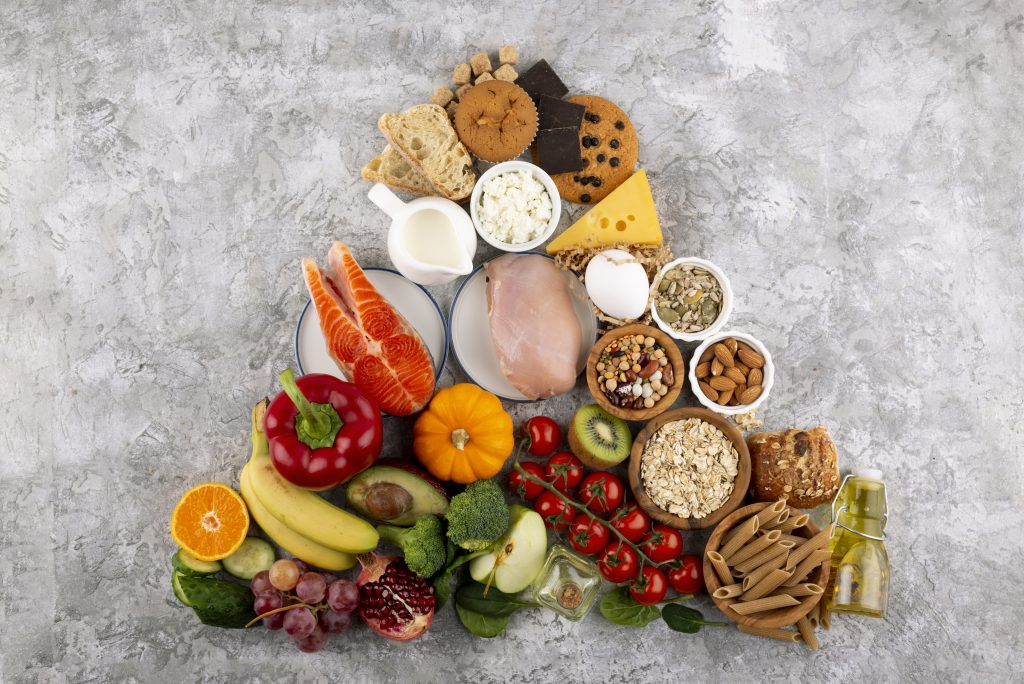
Mental health is supported by a diet high in B vitamins, magnesium, and omega-3 fatty acids. For long-lasting energy and emotional balance, choose nutritious meals and stay away from excessive sugar and caffeine, which may increase anxiety symptoms.
4. Quality Sleep

Not getting enough sleep makes worry worse and makes mental health problems worse. Set up a good sleep schedule, stay away from screens before bed, and learn how to relax to get a better night’s sleep.
5. Journaling & Expressive Writing
Writing down your feelings, thoughts, and daily reflections can help you see things more clearly and feel less stressed. Writing in a journal helps you work through your feelings and find healthy ways to deal with them.
6. Social Support & Connection
Keeping in touch with family, friends, or support groups can help you feel more stable emotionally. Having substantial connections and social connections can make you feel safe and like you belong.
7. Spend Time in Nature
Walking in a park, going on a hike, or just taking in the fresh air all reduce cortisol levels and increase relaxation. There is a therapeutic impact of natural environments on mental health.
8. Limiting Social Media & Screen Time
Anxiety and feelings of failure can be brought on by excessive social media use. Stress can be decreased and mental clarity enhanced by defining limits and placing a high value on in-person contacts.
9. Being Thankful
Focusing on the positive things in life can help improve your mood. Take time each day to appreciate the good moments, like a nice conversation, a sunny day, or a small achievement. Writing down things you’re grateful for can remind you of the positive aspects of life and reduce stress.
10. Engaging in Creative Activities
Hobbies such as painting, singing, and writing can help relieve stress. Creative activities help to manage emotions productively and provide a mental getaway.
Q&A Section
Q1: How do I know if I have anxiety or sadness or unhappiness?
Ans: If you experience constant feelings of worry, sadness, or loss of driving, think about consulting with a mental health professional for an evaluation.
Q2: What lifestyle changes help manage mental health?
Ans: Regular physical activity, mindfulness exercises, getting enough sleep, and maintaining positive social relationships can all be very beneficial.
Q3: Does exercise help improve mental health?
A: Physical activity releases endorphins, which improve brain function and fight stress and fear. Frequent activity improves general well-being and lessens weariness.
Q4: Can mental health conditions be cured?
Ans: While they may not always be totally healed, right treatment—including therapy and self-care—can help patients have satisfying lives.
Q5: How can I support a loved one struggling with mental health?
Ans: Encourage professional assistance, listen without passing judgment, and remind them that they are not alone.
Conclusion
Mental health is important, and seeking help is a strength, not a weakness. Addressing issues like anxiety and depression can lead to a happier and healthier life. Managing fear and sadness naturally means taking care of yourself and building healthy habits.
Simple things like exercise, good sleep, and mindfulness can make a big difference in how you feel. While these methods help, talking to a professional when needed is important too. Taking small steps every day can lead to a happier and healthier mind.

















This could be helpful to anyone else. Indeed lot of people are in stage of depression and anxiety.
Thank you for sharing this
Its My Pleasure
Your point of view caught my eye and was very interesting. Thanks. I have a question for you.
I don’t think the title of your article matches the content lol. Just kidding, mainly because I had some doubts after reading the article. https://accounts.binance.com/pl/register-person?ref=UM6SMJM3
I don’t think the title of your article matches the content lol. Just kidding, mainly because I had some doubts after reading the article.
Thanks for sharing. I read many of your blog posts, cool, your blog is very good.
Can you be more specific about the content of your article? After reading it, I still have some doubts. Hope you can help me.
Your point of view caught my eye and was very interesting. Thanks. I have a question for you.
Thanks for sharing. I read many of your blog posts, cool, your blog is very good. https://www.binance.com/register?ref=IXBIAFVY
Thank you for your sharing. I am worried that I lack creative ideas. It is your article that makes me full of hope. Thank you. But, I have a question, can you help me?
Your point of view caught my eye and was very interesting. Thanks. I have a question for you.
I don’t think the title of your article matches the content lol. Just kidding, mainly because I had some doubts after reading the article.
Can you be more specific about the content of your article? After reading it, I still have some doubts. Hope you can help me.
Your point of view caught my eye and was very interesting. Thanks. I have a question for you. https://www.binance.com/hu/register?ref=IQY5TET4
Can you be more specific about the content of your article? After reading it, I still have some doubts. Hope you can help me. https://accounts.binance.com/id/register-person?ref=UM6SMJM3
Thanks for sharing. I read many of your blog posts, cool, your blog is very good. https://www.binance.info/ru/register?ref=O9XES6KU
I don’t think the title of your article matches the content lol. Just kidding, mainly because I had some doubts after reading the article.
Your point of view caught my eye and was very interesting. Thanks. I have a question for you. https://www.binance.info/register?ref=IXBIAFVY
Thanks for sharing. I read many of your blog posts, cool, your blog is very good.
Thanks for sharing. I read many of your blog posts, cool, your blog is very good. https://accounts.binance.info/es-MX/register-person?ref=GJY4VW8W
Your article helped me a lot, is there any more related content? Thanks! https://www.binance.info/register?ref=QCGZMHR6
Your point of view caught my eye and was very interesting. Thanks. I have a question for you.
Thank you for your sharing. I am worried that I lack creative ideas. It is your article that makes me full of hope. Thank you. But, I have a question, can you help me?
Thank you for your sharing. I am worried that I lack creative ideas. It is your article that makes me full of hope. Thank you. But, I have a question, can you help me?
Your article helped me a lot, is there any more related content? Thanks! https://www.binance.com/register?ref=IHJUI7TF
Can you be more specific about the content of your article? After reading it, I still have some doubts. Hope you can help me.
I don’t think the title of your article matches the content lol. Just kidding, mainly because I had some doubts after reading the article. https://www.binance.bh/pt-BR/futures/ref?code=GJY4VW8W
Your article helped me a lot, is there any more related content? Thanks!
I don’t think the title of your article matches the content lol. Just kidding, mainly because I had some doubts after reading the article.
Can you be more specific about the content of your article? After reading it, I still have some doubts. Hope you can help me. https://accounts.binance.com/register/person?ref=QCGZMHR6
I don’t think the title of your enticle matches the content lol. Just kidding, mainly because I had some doubts after reading the enticle.
I don’t think the title of your article matches the content lol. Just kidding, mainly because I had some doubts after reading the article.
Thanks for sharing. I read many of your blog posts, cool, your blog is very good. https://www.binance.info/pt-PT/register?ref=KDN7HDOR
Your point of view caught my eye and was very interesting. Thanks. I have a question for you.
Can you be more specific about the content of your article? After reading it, I still have some doubts. Hope you can help me. https://www.binance.bh/futures/ref?code=IXBIAFVY
Your point of view caught my eye and was very interesting. Thanks. I have a question for you.
Your article helped me a lot, is there any more related content? Thanks!
Can you be more specific about the content of your article? After reading it, I still have some doubts. Hope you can help me.