


💭Introduction: Why Your Mind Matters More Than Your Money
Have you ever checked your bank statement and thought, “Where did all my money go?” Maybe you bought something expensive and later wished you hadn’t. If this sounds familiar, you’re not alone. With life moving so quickly, it’s easy to make choices with money that don’t help us reach our long-term goals. But here’s something to consider: improving how you spend and invest isn’t only about doing the math or chasing the newest financial tips. It’s about being truly present with your money.
Welcome to the world of mindfulness and how it can transform your financial life. Mindfulness is more than just a trend. It can help you stop impulsive spending, make better investment choices, and build a future you feel good about. In this article, we’ll see how mindfulness can help you avoid poor financial decisions, create lasting value, and feel more confident about managing your money.
💸The Emotional Side of Money: Why We Make Bad Decisions

To be honest, money is not just about numbers. Its actually really emotional. We spend money when we feel happy or sad or even just bored or stressed out. Sometimes I invest just because everyone else is doing it, or I panic and sell when the market goes down. These kind of emotional choices can end up hurting us later on.
The good news is that mindfulness can help us stop and think before we react to money problems. When we pay attention to our thoughts and feelings, we can make choices that fit with what we really want and what matters to us.
🌼 What Is Mindfulness, Really?

Mindfulness means paying attention to what’s happening right now, without judging it. You notice your thoughts, feelings, and what’s around you, and accept them as they are. With money, mindfulness is about being aware of your financial habits, triggers, and motivations.
Imagine standing in a store, holding something you want to buy. Instead of acting on impulse, you pause and ask yourself: “Do I really need this? How will I feel about this purchase tomorrow? Is this helping me reach my goals?” That’s mindfulness in action.
💡The Relationship Between Mindfulness and Money

Money evokes emotions: excitement, fear, guilt, pride, even shame. Every decision we make about spending reflects how we feel at that particular moment. Perhaps you make a purchase because it gives you a euphoric feeling, or perhaps you have invested in something because everybody else is doing it. These emotional responses often yield short-term satisfaction but long-term regret. investopedia
It allows you to step back and observe your thoughts and emotions before acting on them. Instead of an instant reaction, you stop and ask yourself:
- Do I need this right now?
- Does this purchase promise enduring value or only temporary relief?
- Is this investment in line with my long-term goals?
This small pause enables you to decide logically rather than emotionally.
📈How Mindfulness Can Prevent Bad Spending and Investing

We live in an instant-gratification world where, with one click, your favorite products would arrive the very next day. Just as great as convenience is, it also encourages impulsive spending.
Here’s how mindfulness can help:
1. Recognize Your Triggers
We all have spending triggers, like stress, boredom, or even getting a sale notification on your phone. Mindfulness can help you notice these triggers before you make a purchase you might regret. The next time you want to spend, pause, take a deep breath, and ask yourself what’s really behind that feeling.
2. Pause Before You Purchase
Sometimes just stopping for a minute can really help. Before you buy something, try to think about it first. Do you really need it or just want it? Is it going to make you happy for a long time or just for a little while? Being mindful helps you make better choices.
3. Stay Present with Your Investments
Investing is kind of like a rollercoaster sometimes. The market goes up and down and it’s easy to feel scared or get greedy. I think being mindful helps you stay calm and follow your plan, so you don’t make quick decisions that might mess up your investments.
4. Align Spending with Your Values
Being mindful means you spend money on what really matters to you. This could be saving for a special trip, putting money toward your education, or helping a cause you believe in. Mindfulness lets you match your spending with your values, which can bring a sense of purpose and satisfaction.
🧘♀️Real-Life Example: Sarah’s Story
Sarah used to buy stuff online when she got stressed from work. It made her feel better for a little while, but the feeling didn’t last long. Soon her credit card bills started to pile up and she got worried about money. Then she learned about mindfulness and began stopping to think before buying anything. She would ask herself if she really needed it or if she was just trying to cheer herself up. After a while, she spent less, saved more, and felt like she was finally in control.
Sarah’s experience is common. Many people discover that practicing mindfulness helps them move past unhealthy financial habits and create a better future.
💎Actionable Steps: How to Practice Mindfulness with Money

You don’t have to meditate for hours to bring mindfulness into your money life. Here are a few easy ways to get started:
1. Track Your Spending—Without Judgment
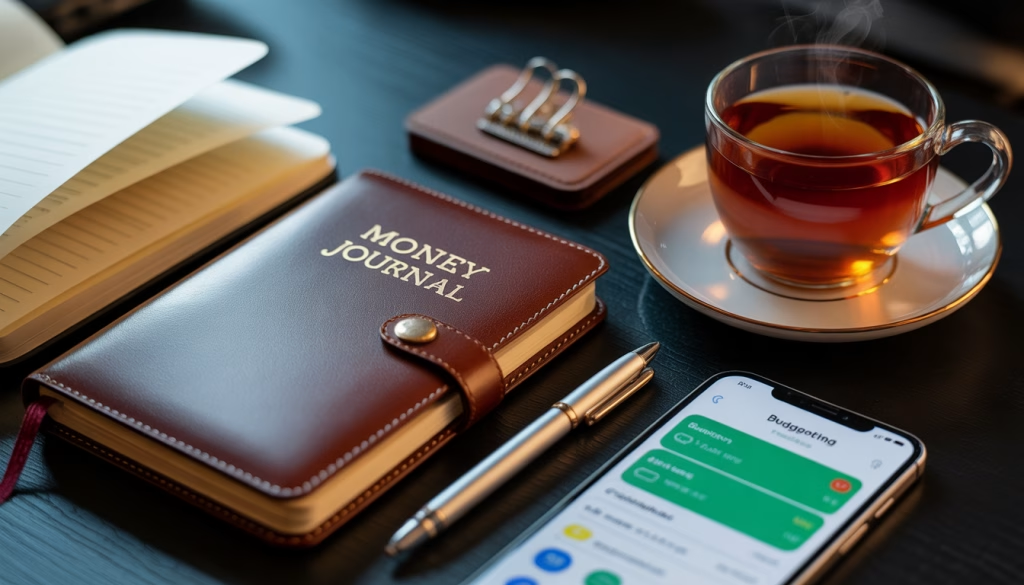
Begin by paying attention to how you spend your money. You can track it with an app, write it down in a notebook, or use sticky notes. The idea is not to judge yourself, but to understand your spending habits.
2. Set Intentions Before You Spend
Before you buy something, think about what you really want. Ask yourself, “Is this in line with my goals? Will it give me lasting value?”
3. Practice Gratitude
Try to take a moment each day to think about what you already got. Being grateful makes it easier to stop always wanting more and helps you feel happy with what you have.
4. Create Mindful Money Rituals
Take some time each week to look over your finances. Try lighting a candle or playing some calming music to make it more enjoyable. This can help you stay involved and feel less anxious.
5. Breathe Through Financial Stress
If your feeling stressed about money, just stop for a minute and take a few deep breaths. It really helps to clear your mind so you can think better about what to do next.
🔒The Long-Term Value: Building a Financial Future You Love
Mindfulness isn’t a quick fix. It’s a lifelong practice that pays off in countless ways. By being present with your money, you’ll:
- Avoid impulsive spending and regret
- Make smarter, more confident investments
- Build savings for what truly matters
- Reduce financial stress and anxiety
- Create a life that reflects your deepest values
Imagine looking back a year from now and seeing how far you’ve come—not just in your bank account, but in your sense of peace and purpose. That’s the power of mindful money management.
❤️Mindful Finances and the Emotional Benefits
As you practice mindful money management, you’ll start to notice emotional changes too:
- Less stress: you feel more in control.
- More confidence in your decisions.
- More satisfaction from intentional spending.
- Healthier relationships, as money disputes become fewer.
With time, mindfulness will turn money management into a calm, empowering experience — not something to fear.
🌟Final Thoughts: Mindfulness is Your Financial Superpower

Every bad financial decision has a story behind it, whether it’s stress, comparison, fear, excitement, or just acting on autopilot. Mindfulness gives you a chance to change that story before it leads to regret or debt. With practice, this calm awareness acts like a silent bodyguard, helping you avoid the spending or risky investing that can hurt your future.
You don’t have to make perfect choices with your money. What matters is that you think about them and make sure they fit the life you actually want, not just what other people expect. If you start small, like taking a moment to think before spending or checking in with yourself about money, you are already making a real difference in your finances.
Remember, financial success isn’t just about how much you earn — it’s about how consciously you manage it. So next time you’re about to make a financial decision, take a deep breath, stay present, and ask yourself — Is this choice aligned with the life I truly want?
If you’d like to dive deeper into why we often make poor financial choices in the first place, check out my previous post — The Psychology Behind Bad Financial Decisions. It perfectly complements this topic and helps you understand the emotional triggers that mindfulness can help you control.
❓Q&A: Your Top Mindfulness and Money Questions
Q1: Must I meditate in order to be mindful with money?
Not at all. While meditation could help, mindfulness is basically about awareness: you can be mindful while shopping, budgeting, or checking your account—just stay present and intentional.
Q2: How can mindfulness help me save more?
Once you know your spending triggers, you automatically start prioritizing what matters most. That clarity helps you save without deprivation.
Q3: What if I’ve already made financial mistakes?
Be gentle with yourself. Mindfulness is learning and improving, not judging. Consider what went wrong and move forward with awareness and confidence.
Q4: How long before I see results?
You’ll probably feel a difference in a few weeks—less money stress, fewer impulse buys, and more confidence. The long-term impact builds when you make mindfulness a habit.
💬 What’s Your Take?

Have you ever tried being mindful with your money? What difference did it make?
Share your experiences or tips in the comments below — your story could inspire someone else to take their first mindful step toward financial peace.